
Opsphere Blog
Practical guides on operational intelligence, DevOps, SRE, observability, cloud infrastructure and AI-assisted operations.

Contentful CMS: What It Is and How to Operate It
What Contentful CMS is, how it works, what it costs, and how to trace content changes to production issues by connecting Contentful to your ops data.
SonarQube Explained: What It Does and How to Use It in Operations
What SonarQube does, how its scanner and quality gates work, and how to connect its findings to deployments and incidents so code analysis informs production.
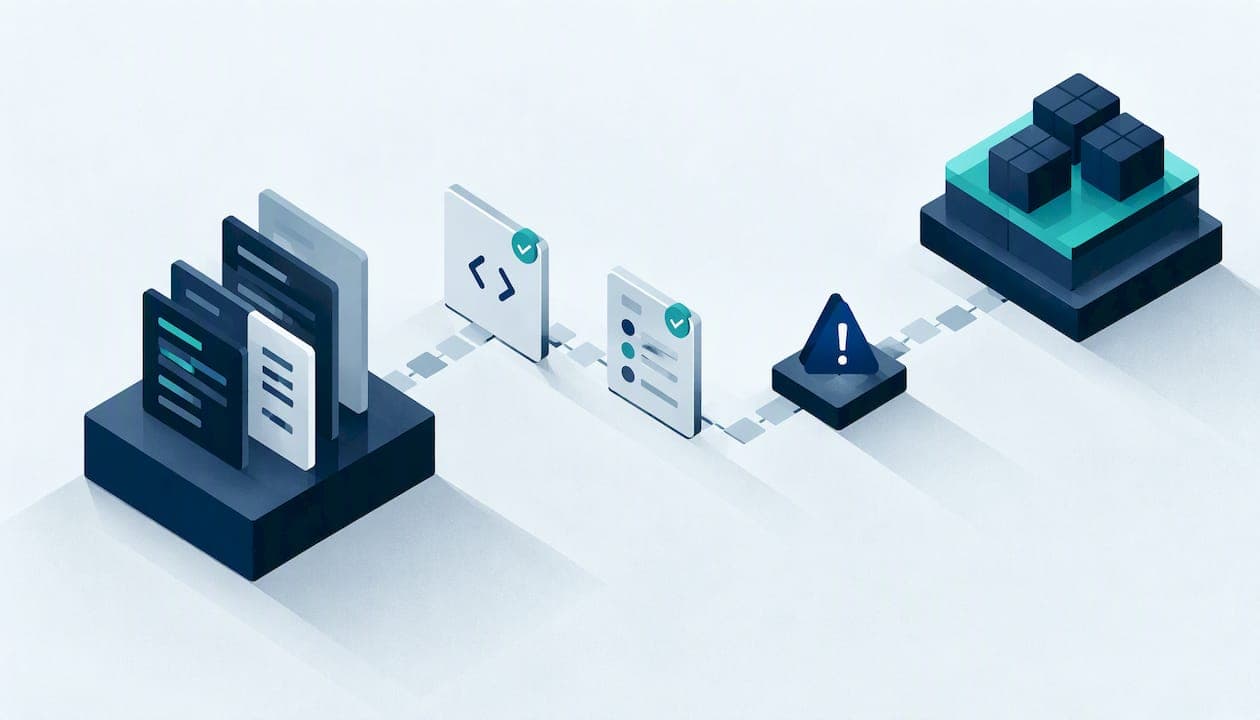
Bitbucket: What It Is, How It Works and How to Investigate Incidents
Bitbucket explained for engineering teams: repositories, pull requests, Pipelines, Cloud vs Data Center, and how to link code changes to production incidents.
OpenCode AI: What It Is, How to Set It Up, and How to Use It Safely
What OpenCode AI is, how to install it, which models it runs, how its permissions work, and how to add live production context through MCP without write access.
Warp Terminal: What It Is and How to Add Production Context
What Warp Terminal is, how it installs, what its AI costs and protects, and how to connect it to live production context for incident work through MCP.
Google Antigravity: What It Is and How to Use It on Production
What Google Antigravity is, what it costs, how its agents and security controls work, and how to give it live production context through MCP.
GitHub Copilot: What It Does, Costs and Where It Needs Production Context
What GitHub Copilot does, what each plan costs, what the evidence says about productivity, and how MCP adds live production context for debugging.
Claude Code: What It Does and How to Give It Production Context
What Claude Code is, what it costs, how to govern it, and how to connect it to live production context through MCP with read-only access for SRE and DevOps teams.
Codex Download: Install the App or CLI, Then Add Production Context
How to download Codex for macOS, Windows or Linux, which install path fits your team, and how to connect read-only production context for debugging.
Cursor IDE: What It Is and How to Use It for Production Debugging
What Cursor IDE is, how it compares with VS Code, what it costs, and how MCP brings live production context into the editor for safer incident debugging.
Prometheus Monitoring: How It Works and Where Teams Hit Limits
How Prometheus monitoring works, where it strains in production, and how to connect its metrics and alerts to deploys, Kubernetes and cloud changes.
Datadog Explained: What It Does and How to Investigate Incidents With It
What Datadog is used for, what it costs to run, and how SRE teams connect its metrics, logs, traces and monitors to deploys and infrastructure during incidents.